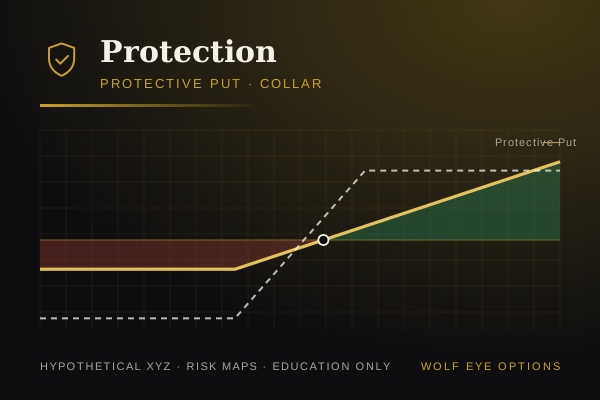
Not every options trade is a bet. The protective put and the collar exist to protect stock positions: a known floor for a known cost. If you hold stock through earnings, macro events, or just an uneasy market, these are the two lessons to know cold.
Built for traders who want the worst case known first
Most investors who hold individual stocks never hedge them, mostly because the tools feel complicated. They are not. The question is only how much protection you want and what you are willing to pay or give up for it.
You hold stock positions and want a defined floor through a risky window
You want to understand what portfolio insurance actually costs
You are considering a collar to protect a concentrated position
You want to know when a hedge is worth it, and when it is not
Every structure below is drawn as a risk map before a single number is discussed.
What is inside
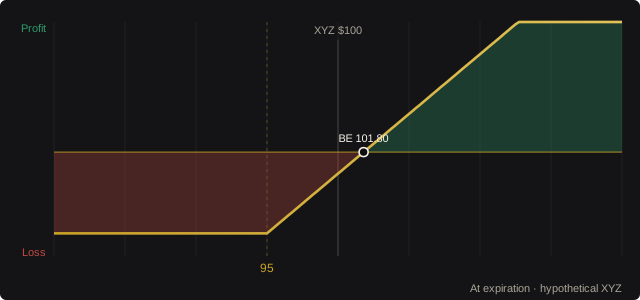
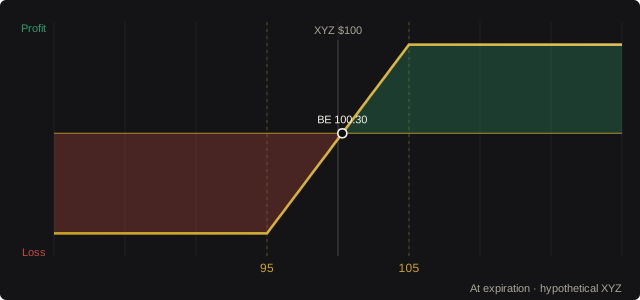
Two ways to put a floor under a stock
Both lessons cover strike selection, expiration choice, and how to compare the cost of protection to the risk you are protecting against.
A hedge is a cost, like insurance on a house. The lessons help you decide when it is worth paying:
Hedge the window that worries you, such as earnings or a macro date, not every day forever
Compare the cost of the put to the drop you are protecting against
Use a collar when you would accept a capped upside in exchange for a cheaper floor
Remember the hedge expires; plan whether to roll it or let it go
The Wolf Eye rules
Know the worst case first. Max loss in dollars, before entry.
Size off the max loss. 0.5% to 1% of the account per idea.
Write the exit before the entry. Kill a failed thesis at the close.
Bucket correlated names. 1% to 1.5% total.
How it fits
How this category fits the Wolf Eye path
The free Glossary and video introduce the hedge branch of the strategy map. The Options Courses Pack ($297) teaches both structures in full, with videos. In the Service, hedge and volatility ideas show up as half-size satellites when the calendar calls for them.
No. A stop-loss can fill far below its price on a gap. A put guarantees the right to sell at the strike until expiration, for a known cost.
Why does the collar have a max gain?
Because you sold a call above the market. Above that strike, the gains belong to the call buyer. That is the price of a cheaper floor.
Is this investment advice?
No. Everything on this page and inside the products is education and research. Examples use a hypothetical ticker, XYZ. You decide what, if anything, fits your own account.
What happens after the $9 trial?
The trial runs for 3 days. After that it continues at the plan shown on the checkout page unless you cancel before it ends. Full plans are $97 per month or $997 per year; see the Service page.
Education disclaimer. Wolf Eye Options is an education and research publication. Nothing on this page is investment advice, a recommendation, or an order to buy or sell any security, and nothing here is personalized to your situation. Options involve substantial risk and are not suitable for every investor; an option can expire worthless and you can lose the entire premium paid, and some structures (such as covered calls and cash-secured puts) carry the downside risk of owning stock. All trade examples are hypothetical, use the placeholder ticker XYZ, ignore commissions, fees and assignment risk, and are shown only to explain structure and risk. No results, returns, or win rates are claimed or implied. Before trading options, read Characteristics and Risks of Standardized Options published by the OCC, and consider consulting a licensed professional.